
Categories
Home MaintenancePublished June 11, 2026
Smoke and CO Detector Placement Guide for Homeowners

Quick answer
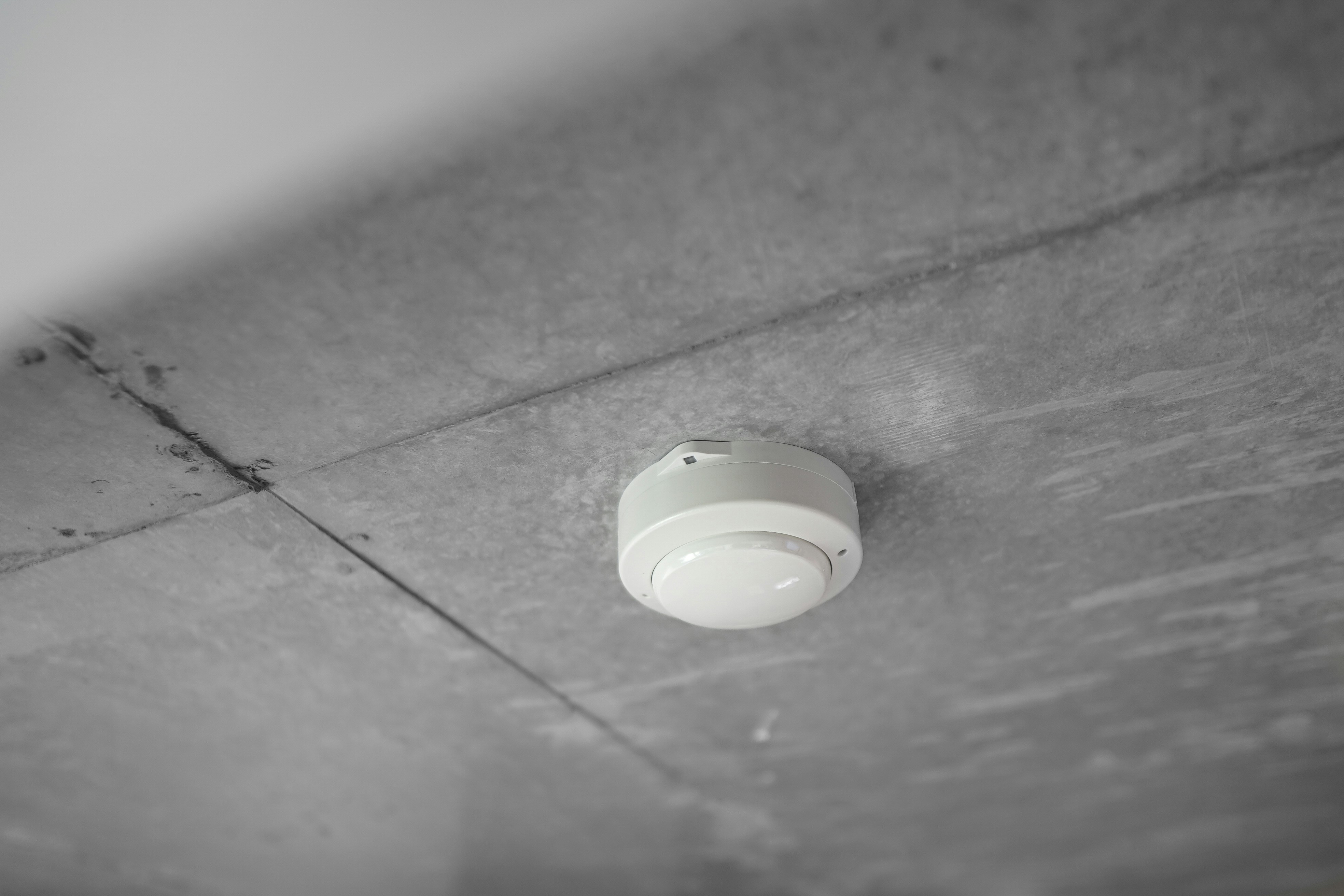
Smoke alarms should be installed inside and outside bedrooms and sleeping areas and on every level of the home, including the basement. Test alarms monthly, replace batteries where applicable, and replace smoke alarms every 10 years from the manufacture date. Working smoke and carbon monoxide alarms are among the lowest-cost, highest-impact safety items in a home. They also matter in real estate transactions, rental safety, aging-in-place planning, and family emergency preparedness.
Smoke alarm placement
According to U.S. Fire Administration guidance, smoke alarms belong inside and outside sleeping areas and on every level, including the basement. Interconnected alarms are best because when one sounds, all sound.
Carbon monoxide alarm placement
CO alarms should be placed on every level and near sleeping areas. Follow manufacturer instructions and local code. Homes with fuel-burning appliances, fireplaces, attached garages, or generators need special attention.
Maintenance schedule
- Test monthly.
- Replace replaceable batteries at least annually or when chirping.
- Replace entire smoke alarm every 10 years.
- Write install date on the unit.
- Never remove batteries while cooking.
Fire extinguisher basics
Keep ABC fire extinguishers visible and accessible on each level, especially near the kitchen, garage, and mechanical area. Teach the PASS method: Pull, Aim, Squeeze, Sweep.
Common mistakes
- Only having one smoke alarm in the hallway.
- Ignoring basement alarms.
- Keeping old alarms past 10 years.
- Removing batteries while cooking.
- Forgetting CO alarms near sleeping areas.
- Hiding fire extinguishers in cabinets where guests cannot find them.
How often should smoke alarms be replaced?
The U.S. Fire Administration says smoke alarms need to be replaced 10 years from the manufacture date.
Where should smoke alarms go?
Inside and outside bedrooms and sleeping areas, and on every level including the basement.
Should alarms be interconnected?
Yes where possible. Interconnected alarms help make sure everyone hears the alarm when one sounds.
Do I need CO alarms if I have electric heat?
You may still need CO alarms if you have an attached garage, fireplace, gas water heater, gas stove, generator risk, or any fuel-burning appliance. Follow local code and manufacturer guidance.
|


or another way