
Categories
Home Maintenance, Home OwnershipPublished May 21, 2026
360 Degree Home Health Audit Checklist for Upper Midwest Homeowners

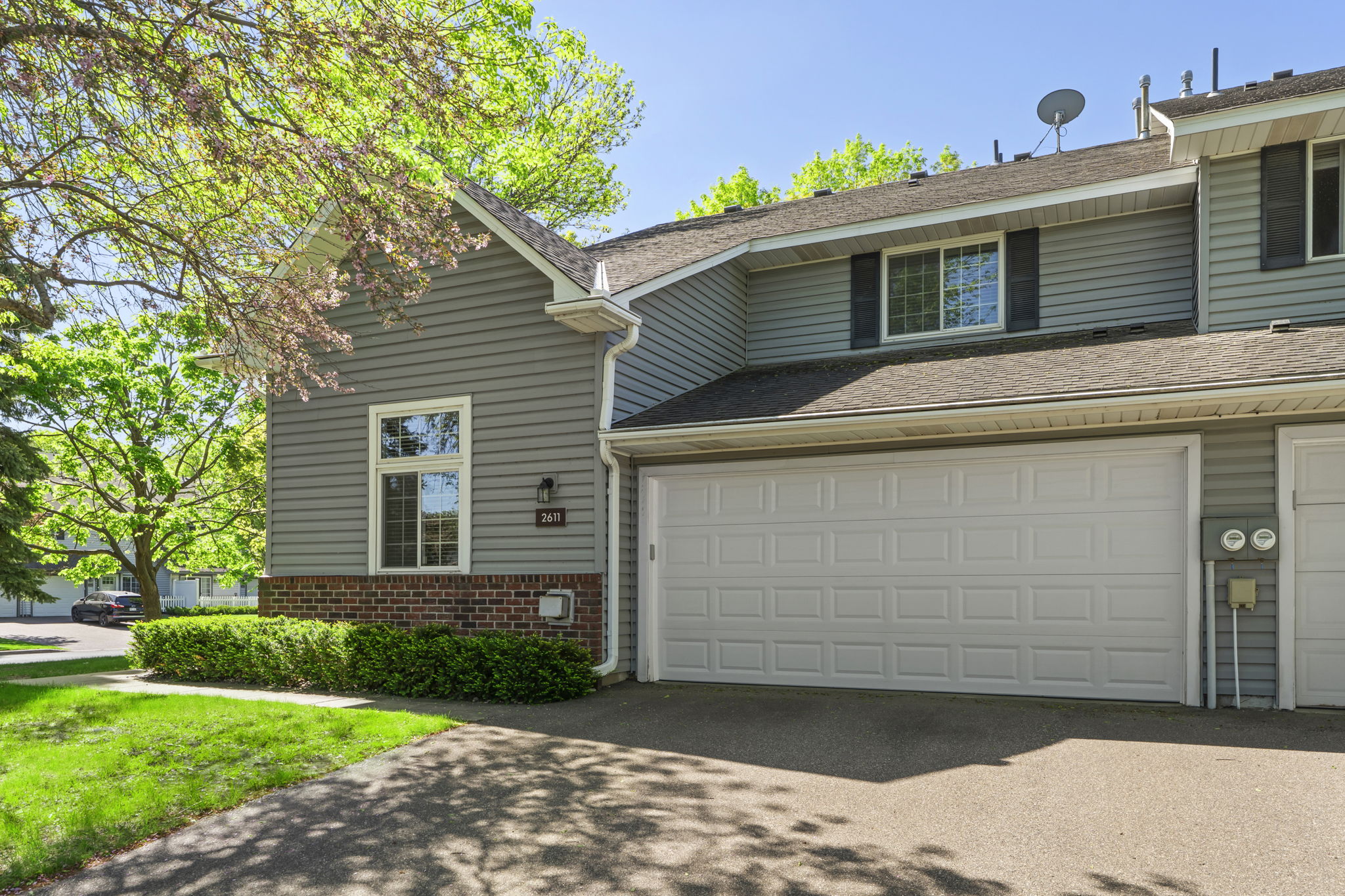
In the Upper Midwest, the stakes are higher because homes face long heating seasons, spring thaw, ice dams, basement moisture, hail, wind, freeze-thaw concrete damage, and sudden temperature swings. A home that is fine in September can expose weaknesses by February. So let's check your home, section by section.
The 360° framework
A complete home audit has eight layers:
- Exterior and structural health: roof, siding, foundation, windows, doors, decks, concrete, drainage, and landscaping.
- Mechanical systems: furnace, AC, boiler, heat pump, water heater, plumbing, sump pump, electrical, ductwork, and appliances.
- Safety and emergency readiness: smoke alarms, CO alarms, fire extinguishers, egress windows, tornado plan, backup power, and security.
- Indoor health and comfort: radon, humidity, mold, air filtration, water quality, ventilation, drafts, noise, and lighting.
- Energy performance: air sealing, insulation, blower-door testing, duct sealing, smart thermostats, high-efficiency equipment, and rebates.
- Yard and exterior living: trees, lawn, patios, fences, irrigation, outdoor lighting, snow storage, and hardscape safety.
- Financial health: equity, property taxes, insurance coverage, PMI removal, maintenance reserves, capital timelines, and ROI projects.
- Neighborhood and market awareness: comps, school changes, zoning, safety trends, amenities, and local development.
Your first 60-minute audit
Start with the quick checks that reduce the biggest risks.
- Test smoke alarms and carbon monoxide alarms.
- Replace or inspect the furnace filter.
- Test the sump pump with a bucket of water.
- Confirm downspouts send water at least 6 feet from the foundation.
- Find and label the main water shutoff.
- Look under sinks and around toilets for leaks.
- Check the dryer vent exterior hood for lint buildup.
- Walk around the house after rain and look for pooling water.
- Photograph the roof, foundation, mechanicals, and electrical panel for a baseline.
What to inspect in each area
Exterior
Look for missing shingles, cracked flashing, clogged gutters, failing caulk, peeling paint, cracked concrete, loose railings, negative grading, and tree branches near the roof.
Mechanical
Check furnace age, AC condition, filter schedule, water heater age, sump pump performance, water softener salt, dryer vent, electrical panel labeling, and unusual noises or smells.
Safety
Confirm alarm placement, detector age, fire extinguisher locations, bedroom egress, garage door auto-reverse, stair handrails, trip hazards, and emergency supplies.
Health and comfort
Test radon if levels are unknown. Track basement humidity in summer. Look for mold, musty smells, condensation, drafty rooms, or poor ventilation.
Financial
Pull recent local comps, estimate equity, review insurance coverage, check property tax assessment, identify major replacement timelines, and create a maintenance reserve.
DIY or professional?
DIY-friendly audit tasks include filter replacement, alarm testing, basic leak scans, downspout extensions, caulking small gaps, and creating a home binder.
Hire professionals for electrical panel work, gas systems, structural concerns, roof work, complex moisture problems, combustion safety, and radon mitigation.
Common mistakes
- Treating the audit as a one-time event instead of a yearly rhythm.
- Ignoring the attic when diagnosing ice dams.
- Spending money on cosmetic updates before fixing water and safety issues.
- Assuming insurance coverage equals rebuild cost.
- Forgetting to document improvements with photos and receipts.
- Waiting until listing the home to discover repair issues.
Best next step
Create a home binder and divide it into these tabs: Exterior, Roof/Attic, HVAC, Plumbing, Electrical, Safety, Energy, Yard, Insurance, Taxes, Warranties, Receipts, and Capital Plan. Every repair and improvement should go into that binder.
How often should I do a home health audit?
Do a full audit once per year and a shorter seasonal review in spring and fall. The annual audit should update maintenance tasks, safety items, insurance, taxes, and major system timelines.
Is this the same as a home inspection?
No. A home inspection is typically a real estate transaction service. A home health audit is broader and ongoing. It is designed to help the owner plan maintenance, safety, energy, finances, and future value.
What should I inspect first?
Start with life safety, water control, and mechanical reliability: smoke/CO alarms, sump pump, downspouts, furnace filter, water heater, electrical panel, and visible leaks.
Can I do this myself?
Yes, for basic checks. Hire licensed pros when the audit uncovers electrical hazards, roof issues, structural movement, gas appliance concerns, active water intrusion, or radon mitigation needs.
Need some help? Give us a call.
If you need home maintenance help, we can point you in the right direction. We have a huge network of trusted vendors in the Twin Cities and beyond. Get in touch with us for recommendations: info@agoodlifegroup.com.

Sarah Huffman
REALTOR® | Team Lead | A Good Life Group | REMAX Results
or another way